
- All
- Product Name
- Product Keyword
- Product Model
- Product Summary
- Product Description
- Multi Field Search
Views: 0 Author: Site Editor Publish Time: 2026-03-25 Origin: Site


Walnuts are among the most nutritious nuts available today, and the edible part inside the shell is known as the walnut kernel. Rich in healthy fats, plant protein, dietary fiber, and essential nutrients, the walnut kernel has become a popular ingredient in healthy diets around the world.
A common question people ask is: How many calories are in 2 walnut kernels? While it is easy to estimate the calorie content, the exact number can vary. The size of a walnut kernel, the variety of walnut, and even growing conditions can influence its nutritional value.
Instead of focusing on a precise number, nutrition experts usually provide an approximate range. Understanding this range helps consumers enjoy walnut kernel snacks without worrying about minor differences in calorie content.
In this guide, we'll explore the approximate calories in walnut kernel portions, their nutritional value, and how they fit into a balanced diet.
When discussing calorie content, it is important to remember that every walnut kernel is slightly different. Some walnuts are larger, while others are smaller, which naturally affects their calorie value.
However, most nutrition references suggest that two walnut kernels (the amount inside one whole walnut) provide roughly a small amount of energy — generally around 25 to 30 calories.
This estimate helps give a practical idea without relying on an exact figure.
Below is a simple overview of typical walnut kernel calorie ranges.
| Walnut Portion | Approximate Calories |
|---|---|
| 1 walnut kernel | about 12–15 calories |
| 2 walnut kernels | about 25–30 calories |
| Small handful (6–8 walnut kernels) | around 170–200 calories |
These values are only general estimates, because the weight of each walnut kernel varies naturally.
Despite these differences, the calorie content of a walnut kernel remains relatively consistent in proportion to its size.
Although nuts are sometimes considered high-calorie foods, the calories in a walnut kernel come from highly beneficial nutrients.
Unlike many processed snacks, a walnut kernel provides nutrient-dense calories, meaning that the energy is combined with vitamins, minerals, and healthy fats.
Key nutritional components in a walnut kernel include:
Omega-3 fatty acids
Plant-based protein
Dietary fiber
Magnesium
Potassium
Antioxidants
These nutrients make the walnut kernel a valuable addition to healthy eating patterns.
When grapes are dried, their nutrients concentrate, and similarly, the walnut kernel packs a lot of nutrition into a small portion.
Here is an approximate nutritional overview for a typical serving of walnut kernel (around a small handful).
| Nutrient | Approximate Amount |
|---|---|
| Calories | about 180–200 kcal |
| Healthy fats | around 18–20 g |
| Protein | around 4 g |
| Carbohydrates | about 4 g |
| Fiber | around 2 g |
One of the most unique features of the walnut kernel is its high level of plant-based omega-3 fatty acids, which are relatively rare in nuts.
Because of this, the walnut kernel is frequently recommended in heart-healthy diets.
To better understand the value of a walnut kernel, it helps to compare it with other common nuts.
| Nut | Key Nutritional Feature |
|---|---|
| Walnut kernel | Rich in omega-3 fatty acids |
| Almonds | High in vitamin E |
| Pistachios | Good source of protein |
| Cashews | Rich in magnesium |
While each nut has unique benefits, the walnut kernel stands out because of its omega-3 content and antioxidant compounds.
This is why many nutrition experts consider the walnut kernel one of the most beneficial nuts for overall health.
In addition to providing energy, the walnut kernel is associated with several health benefits when consumed in moderation.
The walnut kernel contains healthy polyunsaturated fats and omega-3 fatty acids that help support cardiovascular function.
These nutrients may help maintain balanced cholesterol levels and promote healthy circulation.
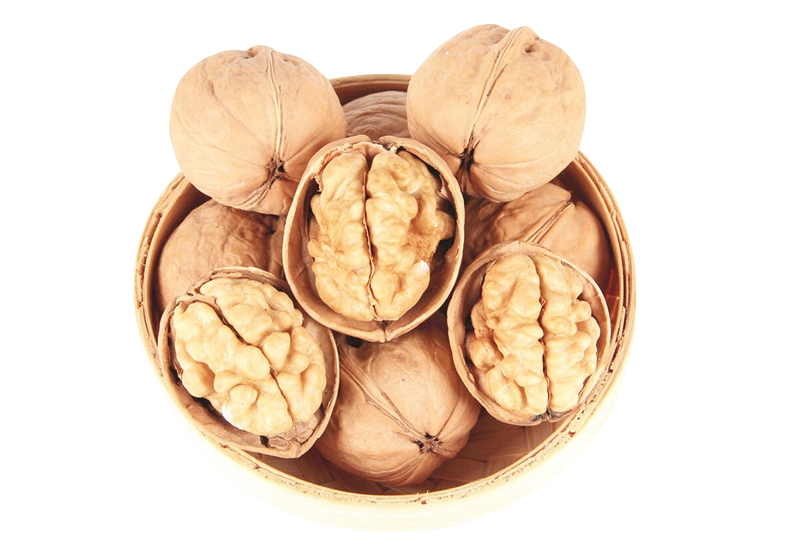
The walnut kernel has long been associated with brain health. In fact, its shape even resembles the human brain.
The omega-3 fatty acids found in the walnut kernel help support cognitive performance and nervous system health.
Because the walnut kernel contains both healthy fats and protein, it provides steady energy rather than quick sugar spikes.
This makes it a practical snack for people with active lifestyles.
The fiber in the walnut kernel contributes to healthy digestion and supports the balance of beneficial gut bacteria.
Adding walnut kernel pieces to everyday meals is simple and convenient. Their mild flavor pairs well with many foods.
Here are some popular ways to enjoy walnut kernel snacks:
Sprinkle chopped walnut kernel pieces on oatmeal, yogurt, or cereal.
A small portion of walnut kernel adds texture and nutrition to salads.
Ground walnut kernel pieces can be added to smoothies for healthy fats and extra energy.
The walnut kernel is commonly used in baked goods such as breads, muffins, and cookies.
Two or three walnut kernel pieces make a convenient and satisfying snack.
Some people avoid nuts because they believe they are too high in calories. However, research suggests that moderate nut consumption can actually support healthy weight management.
The walnut kernel helps with appetite control because it contains:
Healthy fats that promote fullness
Protein that stabilizes energy levels
Fiber that slows digestion
Because of these qualities, small portions of walnut kernel can help prevent overeating.
Nutrition experts usually recommend a small handful of walnut kernels per day as a balanced serving.
Today, the walnut kernel is widely used in popular nutrition trends such as:
Mediterranean diet
Plant-based diets
Heart-healthy eating patterns
Functional foods
Because of its nutrient density, the walnut kernel appears in many healthy recipes including:
Energy bars
Vegan dishes
Healthy desserts
Natural snack mixes
This growing popularity shows how versatile the walnut kernel can be in modern diets.
So, how many calories are in 2 walnut kernels? While the exact number varies depending on the size of the nut, two walnut kernels generally provide roughly around 25–30 calories.
More importantly, the calories in a walnut kernel come from highly nutritious sources such as healthy fats, plant protein, and antioxidants. This makes the walnut kernel a nutrient-dense food that supports heart health, brain function, and sustained energy.
When consumed in moderate portions, the walnut kernel can be a valuable part of a balanced and healthy diet.
The walnut kernel contains natural fats, so it does provide calories. However, these calories come with beneficial nutrients such as omega-3 fatty acids and protein.
Most nutrition experts recommend a small handful of walnut kernels daily, which fits well into a balanced diet.
Yes. Because the walnut kernel contains protein, fiber, and healthy fats, it can help promote fullness and reduce unhealthy snacking.
Yes. Moderate daily consumption of walnut kernel portions can support heart health and provide important nutrients.
