


Why Walnut Oil?
Walnut oil has become increasingly popular among health-conscious consumers, nutritionists, and culinary experts. Extracted from the kernels of walnuts, walnut oil is known for its rich nutrient profile, delicate nutty flavor, and wide range of health benefits. With the rise of natural foods, plant-based diets, and functional nutrition, walnut oil is gaining recognition as both a gourmet cooking ingredient and a powerful wellness product.
So, what is walnut oil good for? The answer lies in its impressive nutritional composition. Walnut oil is rich in omega-3 fatty acids, polyunsaturated fats, antioxidants, vitamin E, and plant compounds that support multiple aspects of health. Unlike many refined vegetable oils, high-quality cold-pressed walnut oil preserves these nutrients and delivers significant health benefits when used regularly.
Another reason walnut oil stands out is its versatility. It can be used in salad dressings, marinades, gourmet cooking, and even skincare routines. In addition, modern nutritional research shows that walnut oil may help support heart health, blood sugar regulation, anti-aging, and inflammation reduction.
Below is a quick comparison of walnut oil with several other popular cooking oils:
| Oil Type | Omega-3 Content | Antioxidants | Best Uses | Health Benefits |
|---|---|---|---|---|
| Walnut oil | Very High | High | Salad dressing, finishing oil | Heart health, anti-inflammatory |
| Olive oil | Moderate | High | Cooking, sautéing | Cardiovascular support |
| Coconut oil | Low | Moderate | Baking, frying | Energy metabolism |
| Avocado oil | Low | Moderate | High-heat cooking | Healthy fats support |
As shown above, walnut oil stands out because of its exceptional omega-3 fatty acid content and its role in anti-inflammatory nutrition. These qualities make walnut oil a functional ingredient that supports overall wellness while enhancing food flavor.
With growing interest in functional foods, nutrient-dense oils, and natural wellness products, walnut oil is becoming a staple in modern kitchens and health routines.
Benefits of Walnut Oil
The benefits of walnut oil go far beyond its pleasant taste. Scientific studies and nutrition experts highlight the role of walnut oil in supporting cardiovascular health, metabolic function, skin vitality, and longevity.
Below are the most notable health advantages associated with regular consumption of walnut oil.
Improves Heart Health
One of the most researched benefits of walnut oil is its ability to support heart health. The oil contains high levels of alpha-linolenic acid (ALA), a plant-based omega-3 fatty acid known for improving cardiovascular function.
Regular consumption of walnut oil may help:
Lower LDL cholesterol (bad cholesterol)
Increase HDL cholesterol (good cholesterol)
Improve blood vessel function
Reduce risk of cardiovascular disease
Research published in nutrition journals suggests that individuals who regularly consume walnut oil or walnuts experience improved vascular elasticity and reduced arterial inflammation.
Here is a simplified comparison of heart-healthy nutrients in different oils:
| Oil | Omega-3 | Polyunsaturated Fat | Heart Support |
|---|---|---|---|
| Walnut oil | High | Very High | Excellent |
| Olive oil | Low | Moderate | Very Good |
| Sunflower oil | Very Low | High | Moderate |
Because of its balanced fatty acid profile, walnut oil is particularly beneficial for people following Mediterranean-style diets, plant-based diets, or cholesterol-conscious lifestyles.
Reduces Blood Sugar Levels
Another major advantage of walnut oil is its potential to support blood sugar control. Studies indicate that the healthy fats found in walnut oil may improve insulin sensitivity, which helps regulate glucose levels in the bloodstream.
People with type 2 diabetes or those at risk of metabolic syndrome may benefit from adding walnut oil to their diets.
Potential metabolic benefits of walnut oil include:
Improved glucose metabolism
Reduced insulin resistance
Lower fasting blood sugar
Stabilized energy levels
Nutrition researchers have observed that replacing refined cooking oils with nutrient-rich oils like walnut oil can significantly improve metabolic markers.
For example:
| Dietary Oil Replacement | Effect on Blood Sugar |
|---|---|
| Replace butter with walnut oil | Improved insulin response |
| Replace refined oils with walnut oil | Lower glucose spikes |
| Add walnut oil to salads | Slower carbohydrate absorption |
Because walnut oil contains healthy fats and polyphenols, it slows the digestion of carbohydrates and reduces rapid spikes in blood sugar.
Promotes Longevity
The connection between walnut oil and longevity has gained attention in recent years. Diets rich in healthy fats, antioxidants, and plant nutrients are strongly associated with longer life expectancy.
Walnut oil supports longevity through several mechanisms:
Provides anti-inflammatory fatty acids
Delivers powerful antioxidants
Protects cellular health
Supports brain function
In regions where nut-based oils are common—such as parts of the Mediterranean—people tend to have lower rates of chronic disease and longer lifespans.
The following nutrients in walnut oil contribute to longevity:
| Nutrient | Function |
|---|---|
| Omega-3 fatty acids | Brain and heart protection |
| Vitamin E | Cellular antioxidant defense |
| Polyphenols | Anti-aging and anti-inflammatory effects |
By protecting cells from oxidative stress, walnut oil helps slow the processes that contribute to aging and disease.
May Decrease Inflammation
Chronic inflammation is a major factor behind many diseases, including heart disease, diabetes, and arthritis. Fortunately, walnut oil contains natural compounds that help reduce inflammatory responses in the body.
Key anti-inflammatory compounds in walnut oil include:
Omega-3 fatty acids
Ellagic acid
Polyphenols
Plant sterols
Regular consumption of walnut oil may help reduce markers of systemic inflammation, which is beneficial for overall health.
Anti-inflammatory benefits of walnut oil include:
Reduced joint discomfort
Improved cardiovascular health
Lower risk of metabolic diseases
Better immune balance
Many nutrition experts now recommend walnut oil as part of an anti-inflammatory diet, alongside foods such as berries, leafy greens, and fatty fish.
Reduces Signs of Aging
Beyond internal health, walnut oil is also widely used for skin health and anti-aging skincare. The combination of vitamin E, antioxidants, and fatty acids helps nourish skin cells and protect against environmental damage.
Common skincare benefits of walnut oil include:
Improved skin hydration
Reduced fine lines
Enhanced skin elasticity
Protection from oxidative stress
When applied topically, walnut oil acts as a natural moisturizing oil that helps maintain the skin’s barrier and improve overall texture.
Skincare professionals often compare walnut oil with other natural oils:
| Oil | Skin Hydration | Anti-Aging | Absorption |
|---|---|---|---|
| Walnut oil | Excellent | Strong | Fast |
| Argan oil | Excellent | Strong | Moderate |
| Coconut oil | Good | Moderate | Slow |
Because of its lightweight texture and nutrient content, walnut oil is frequently used in natural skincare products and DIY beauty treatments.
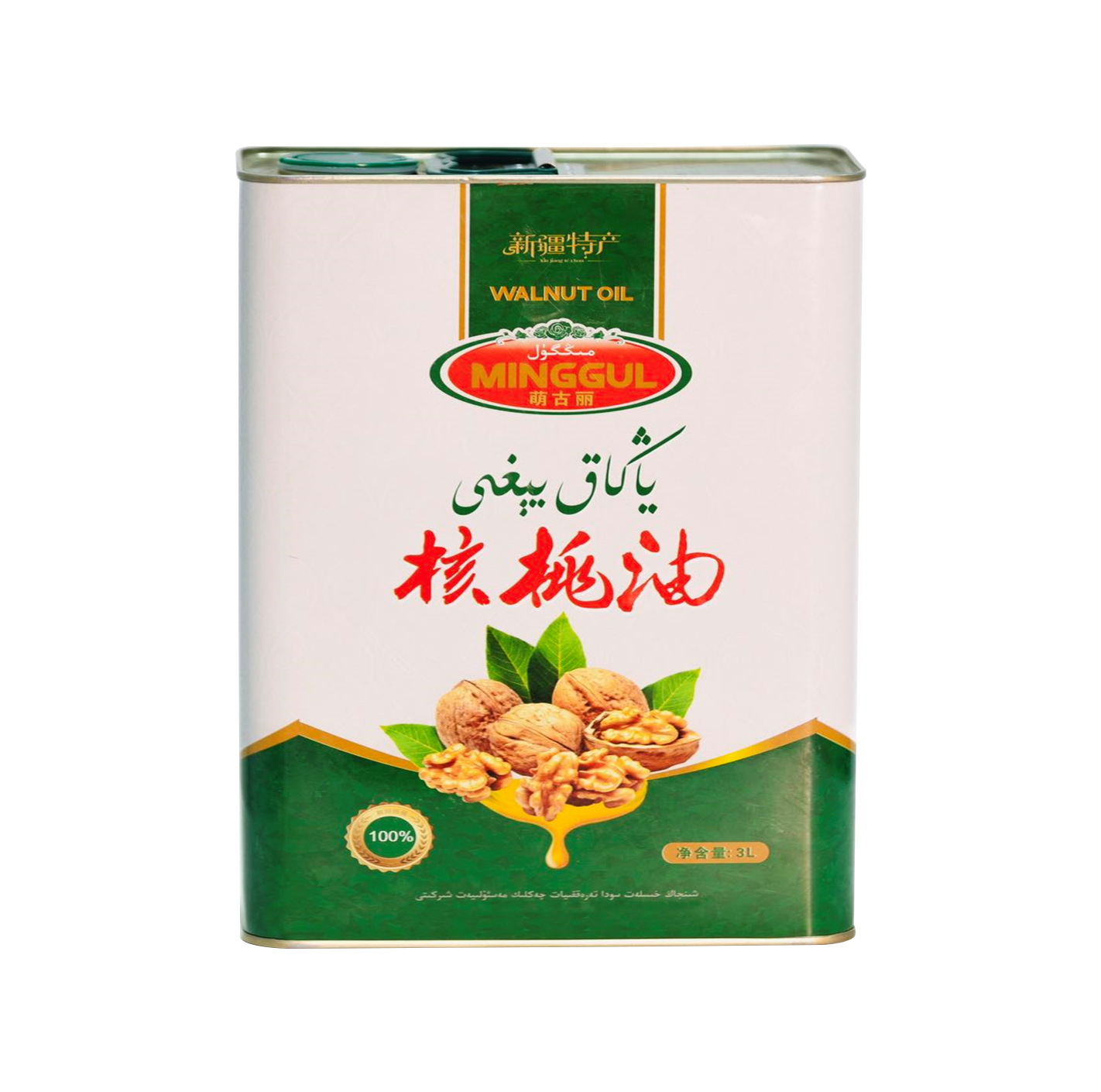
Uses and Recipes for Walnut Oil
In addition to its health benefits, walnut oil is highly valued in the culinary world. Its mild nutty flavor enhances a wide variety of dishes, making it a favorite among chefs and home cooks.
However, because walnut oil has a relatively low smoke point, it is best used in cold dishes or as a finishing oil rather than for high-temperature frying.
Popular Culinary Uses of Walnut Oil
Here are several ways to incorporate walnut oil into everyday meals:
Salad Dressings
Mix walnut oil, balsamic vinegar, honey, and mustard for a flavorful dressing.
Pasta Finishing Oil
Drizzle walnut oil over warm pasta with parmesan cheese and fresh herbs.
Roasted Vegetable Topping
Add a spoon of walnut oil to roasted vegetables to enhance flavor and nutrition.
Smoothie Boost
Add a teaspoon of walnut oil to smoothies for extra omega-3 fatty acids.
Simple Walnut Oil Salad Dressing Recipe
Ingredients
2 tablespoons walnut oil
1 tablespoon apple cider vinegar
1 teaspoon Dijon mustard
1 teaspoon honey
Pinch of sea salt
Instructions
Combine all ingredients in a bowl.
Whisk until smooth.
Drizzle over fresh greens, nuts, and fruit.
This simple recipe highlights the delicate flavor of walnut oil while providing a nutritious dressing packed with healthy fats.
Storage Tips
To preserve freshness, walnut oil should be:
Stored in a cool, dark place
Refrigerated after opening
Used within 6–12 months
Because of its high omega-3 content, walnut oil is more sensitive to heat and light compared to some other cooking oils.
Conclusion
So, what is walnut oil good for? The answer is quite extensive. Walnut oil is not only a flavorful culinary ingredient but also a powerful functional food with numerous health benefits.
Regular consumption of walnut oil may help:
Improve heart health
Support blood sugar regulation
Promote longevity
Reduce inflammation
Enhance skin health
With its rich supply of omega-3 fatty acids, antioxidants, and vitamin E, walnut oil is one of the most nutrient-dense plant oils available today.
As more people embrace natural nutrition, functional foods, and plant-based diets, walnut oil is likely to remain an essential ingredient for both health and gourmet cooking.
Adding walnut oil to your daily routine—whether in salads, recipes, or skincare—can be a simple yet powerful step toward better wellness.
FAQs
1. Can walnut oil be used for cooking?
Yes, walnut oil can be used for cooking, but it is best used for low-heat cooking, salad dressings, or as a finishing oil because of its relatively low smoke point.
2. How much walnut oil should you consume daily?
Most nutrition experts recommend 1–2 tablespoons of walnut oil per day to obtain the health benefits without excessive calorie intake.
3. Is walnut oil better than olive oil?
Both oils have health benefits. Walnut oil contains more omega-3 fatty acids, while olive oil is richer in monounsaturated fats. Using both oils in your diet provides balanced nutrition.
4. Does walnut oil help skin health?
Yes. Walnut oil is rich in vitamin E and antioxidants, which help improve skin hydration, reduce fine lines, and support skin repair.
5. How do you store walnut oil?
To keep walnut oil fresh, store it in a sealed bottle, keep it away from heat and light, and refrigerate it after opening.
