
- All
- Product Name
- Product Keyword
- Product Model
- Product Summary
- Product Description
- Multi Field Search
Views: 0 Author: Site Editor Publish Time: 2026-03-17 Origin: Site


Cooking oils play an essential role in nutrition, skincare, and hair care. Among the many plant-based oils available today, walnut oil and olive oil are two of the most popular choices. Both oils are valued for their healthy fats, antioxidants, and natural health benefits.
However, despite their similarities, walnut oil and olive oil differ significantly in their nutritional composition, cooking uses, and beauty applications. With the growing interest in natural wellness, plant-based diets, and functional foods, more consumers want to understand which oil is better for their health.
This guide explores the differences between walnut oil and olive oil, including their benefits for cooking, hair care, skin health, and overall nutrition.
Olive oil is produced by pressing olives from the olive tree, mainly grown in Mediterranean countries. It is one of the key components of the Mediterranean diet, which is widely associated with heart health and longevity.
The most popular type is extra virgin olive oil, which is extracted using cold-press methods to preserve its natural nutrients.
Key nutrients in olive oil include:
Monounsaturated fats
Vitamin E
Polyphenols
Antioxidants
These nutrients help reduce oxidative stress, support cardiovascular health, and protect cells from damage.
Olive oil is commonly used for:
Cooking and sautéing
Salad dressings
Baking
Skincare products
Because olive oil has a higher smoke point, it works well for medium-heat cooking.
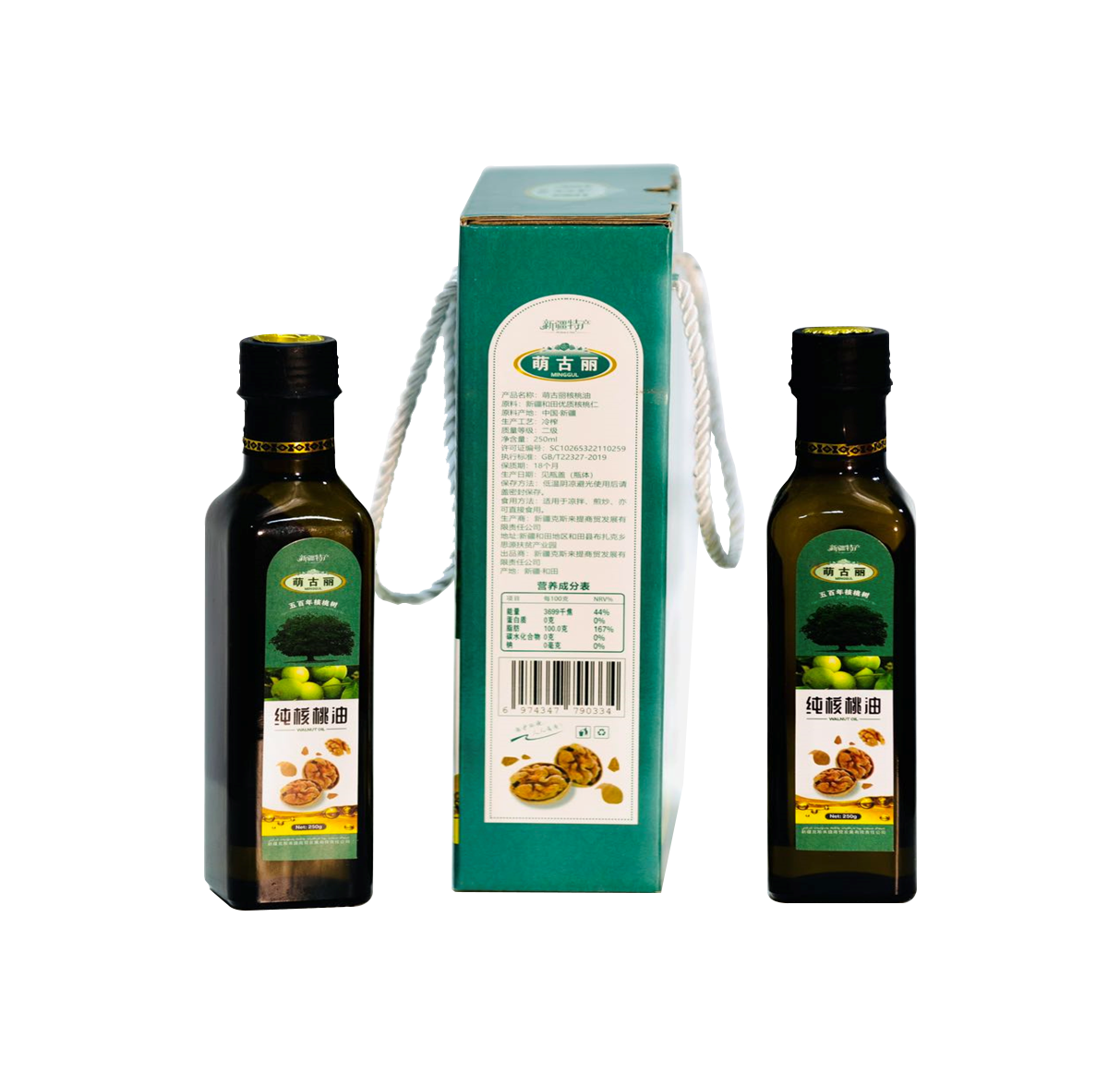
Walnut oil is extracted from walnut kernels and is known for its rich nutty flavor and high nutrient content. Traditionally, cold-pressed walnut oil retains more of the natural compounds that contribute to its health benefits.
The nutritional profile of walnut oil is impressive. It contains:
Omega-3 fatty acids (ALA)
Polyunsaturated fats
Vitamin E
Antioxidants
Plant polyphenols
Compared to many other oils, walnut oil provides a higher concentration of omega-3 fatty acids, which are important for brain function, heart health, and inflammation reduction.
Because of its delicate flavor, walnut oil is commonly used as a finishing oil rather than a high-heat cooking oil.
Although both oils are healthy, there are several important differences between walnut oil and olive oil.
| Feature | Walnut Oil | Olive Oil |
|---|---|---|
| Main Fat Type | Polyunsaturated fats | Monounsaturated fats |
| Omega-3 Content | Very High | Low |
| Flavor | Rich, nutty | Fruity, mild |
| Smoke Point | Low-medium | Medium-high |
| Best Use | Dressings & finishing | Cooking & sautéing |
From a nutritional perspective, walnut oil stands out because of its omega-3 fatty acids, while olive oil is valued for its monounsaturated fats.
Both oils provide antioxidants and support overall wellness.
Natural oils are widely used in hair care routines to improve hair strength, reduce dryness, and support scalp health.
Both olive oil and walnut oil provide nourishment, but their effects differ slightly.
Olive oil has been used as a traditional hair treatment for centuries. Its thick texture helps deeply moisturize dry hair.
Benefits of olive oil for hair include:
Deep hair conditioning
Reduced hair breakage
Improved hair shine
Better scalp hydration
Because olive oil is heavier, it works well as a weekly hair mask.
Walnut oil is becoming more popular in modern hair care because it contains omega-3 fatty acids that nourish the scalp.
Benefits of walnut oil for hair include:
Supports hair growth
Strengthens hair follicles
Improves scalp circulation
Helps reduce dry scalp
Compared to olive oil, walnut oil has a lighter texture, making it suitable for more frequent use.
Hair care comparison:
| Hair Benefit | Olive Oil | Walnut Oil |
|---|---|---|
| Moisture | Strong | Moderate |
| Hair Growth Support | Moderate | Strong |
| Texture | Heavy | Light |
| Scalp Nutrition | Good | Excellent |
Because of its nutrient profile, walnut oil is often used in natural hair growth treatments.
Both oils are used in skincare because they contain beneficial fatty acids and antioxidants.
Olive oil is widely used as a natural moisturizer. It helps strengthen the skin barrier and retain moisture.
Benefits include:
Deep skin hydration
Protection from free radicals
Improved skin softness
However, olive oil may feel heavy for oily skin types.
Walnut oil is increasingly used in natural skincare products because of its rich antioxidant profile.
Benefits of walnut oil for skin include:
Supports skin elasticity
Helps reduce fine lines
Improves skin hydration
Protects against oxidative stress
Because walnut oil absorbs quickly, it works well in facial oils and anti-aging skincare routines.
Skin comparison:
| Skin Benefit | Olive Oil | Walnut Oil |
|---|---|---|
| Moisturizing | Excellent | Excellent |
| Anti-aging | Good | Strong |
| Absorption | Medium | Fast |
| Skin Brightening | Moderate | Good |
Due to its antioxidant content, walnut oil is often included in modern natural beauty products.
There is no single “best” oil because both oils offer different advantages.
Choose walnut oil if you want:
More omega-3 fatty acids
Strong anti-inflammatory properties
A nutty gourmet flavor
Lightweight skin and hair oil
Choose olive oil if you want:
A versatile cooking oil
Better heat stability
Traditional Mediterranean diet benefits
Many nutrition experts recommend using both oils for different purposes.
Example usage:
Use olive oil for cooking
Use walnut oil for salads, dressings, and finishing dishes
This approach provides a broader range of healthy fats and nutrients.
Both walnut oil and olive oil offer valuable health benefits and culinary uses. Olive oil is well known for its role in the Mediterranean diet, while walnut oil is gaining popularity for its high omega-3 fatty acid content and antioxidant properties.
Key benefits of walnut oil include:
Rich omega-3 fatty acids
Support for heart health
Benefits for hair growth
Improved skin hydration
Unique nutty flavor
As more people adopt natural health products and plant-based nutrition, walnut oil is becoming an important addition to healthy diets and skincare routines.
Using walnut oil together with olive oil allows you to enjoy the benefits of both oils.
Walnut oil contains more omega-3 fatty acids, while olive oil contains more monounsaturated fats. Both oils are healthy but provide different nutritional benefits.
Yes, but walnut oil is better suited for low-heat cooking, salad dressings, and finishing dishes because of its lower smoke point.
Yes. Walnut oil contains omega-3 fatty acids and antioxidants that help nourish the scalp and support healthy hair growth.
Yes. Walnut oil is lightweight and rich in antioxidants, making it beneficial for skin hydration, anti-aging, and improving skin elasticity.
