
- All
- Product Name
- Product Keyword
- Product Model
- Product Summary
- Product Description
- Multi Field Search
Views: 0 Author: Site Editor Publish Time: 2026-07-14 Origin: Site


For commercial buyers, food manufacturers, and wholesalers, sourcing the right walnut goes beyond baseline pricing. The specific varietal you choose directly impacts your processing capabilities, kernel yield, and visual grading. Purchasing the wrong in-shell varietal for your processing lines leads to disastrous results. You might experience excessive breakage, end up with lower-grade pieces, and suffer diminished profit margins. Buying the wrong raw material for pre-shelled requirements carries similar risks. We want to objectively break down the structural and economic differences between the three primary commercial Chinese walnut varietals. You will learn the exact physical traits of 185, Xin 2, and 33 walnuts. This guide helps buyers match specific varietal traits to their exact operational needs and final product output.
185 Walnuts offer the highest kernel yield (>60%) and are ideal for manual cracking to produce premium, Extra-Light whole halves.
Xin 2 Walnuts feature a slightly thicker shell, making them the superior choice for mechanized cracking and bulk ingredient processing.
33 Walnuts provide high uniformity in size and color, serving as a reliable baseline for large-scale, consistent commercial supply.
Procuring pre-shelled Walnut Kernels shifts the processing risk to the supplier, but requires strict adherence to grading standards (e.g., USDA color and defect tolerances) to ensure ROI.
Success in nut procurement relies entirely on predictable metrics. Buyers define their return on investment through three primary criteria. First, they measure the kernel extraction rate, determining the exact yield percentage from a bulk in-shell purchase. Second, they track the half-kernel retention rate. Maximizing whole halves while minimizing broken pieces directly boosts retail value. Finally, buyers monitor color grading. Extra Light kernels command premium prices across global markets, while Amber kernels often relegate batches to secondary baking applications.
The shell-to-kernel ratio serves as the ultimate deciding factor in processing strategy. Shell thickness dictates your entire operational workflow. Thin-shelled varietals practically demand hand-cracking. This labor-intensive process preserves the delicate nut meat and yields high-value halves. Conversely, thicker shells withstand machine cracking. Mechanization offers massive scalability but inevitably generates higher breakage rates. You must align your shell density with your available processing infrastructure.
Commercial buyers face a continuous debate regarding in-shell versus pre-shelled sourcing. Shipping in-shell products means paying freight for unusable agricultural waste. Shells add massive weight and volume to shipping containers. Conversely, paying the premium for highly graded, ready-to-use Walnut Kernels eliminates processing overhead. You shift the labor and breakage risks entirely to the supplier. Evaluating these hidden freight costs against processing labor helps you choose the most profitable procurement route.
The 185 walnut stands out as a true anomaly in agricultural engineering. It features an extremely thin shell structure. The shell wall typically measures between 0.6mm and 0.8mm. This fragile exterior allows consumers and workers to manually crack the nut using only their bare hands. You do not need heavy mechanical crackers to extract the meat.
Performance metrics for the 185 varietal remain unmatched in the commercial sector. Buyers routinely see exceptionally high kernel extraction rates. Yields frequently exceed the 60% to 65% threshold. When you buy a ton of 185 in-shell walnuts, you extract significantly more usable product compared to standard varietals. This high yield offsets the premium agricultural pricing often associated with this specific crop.
We see several ideal use cases for the 185 varietal based on its unique features. First, it dominates premium retail in-shell snacking markets. Consumers love the novelty and convenience of easy cracking. Second, it serves as the ultimate raw material for visual-first applications. Hand-cracking these paper shells produces high-grade, intact whole halves. You will find these visually stunning Walnut Kernels featured prominently on high-end charcuterie boards and in premium mixed nut blends.
However, processing the 185 varietal carries significant implementation risks. The signature thin shell makes the crop highly susceptible to transit damage. Rough handling during logistics can crush the shells prematurely, leading to oxidation. Furthermore, the thin exterior invites bird and pest damage during the farming stage. This agricultural vulnerability often drives up your baseline procurement cost. Inside the facility, mechanized cracking poses a severe threat. Automated rollers and cone crackers easily crush the delicate nutmeat. Processing these walnuts requires manual labor or highly calibrated, specialized equipment.
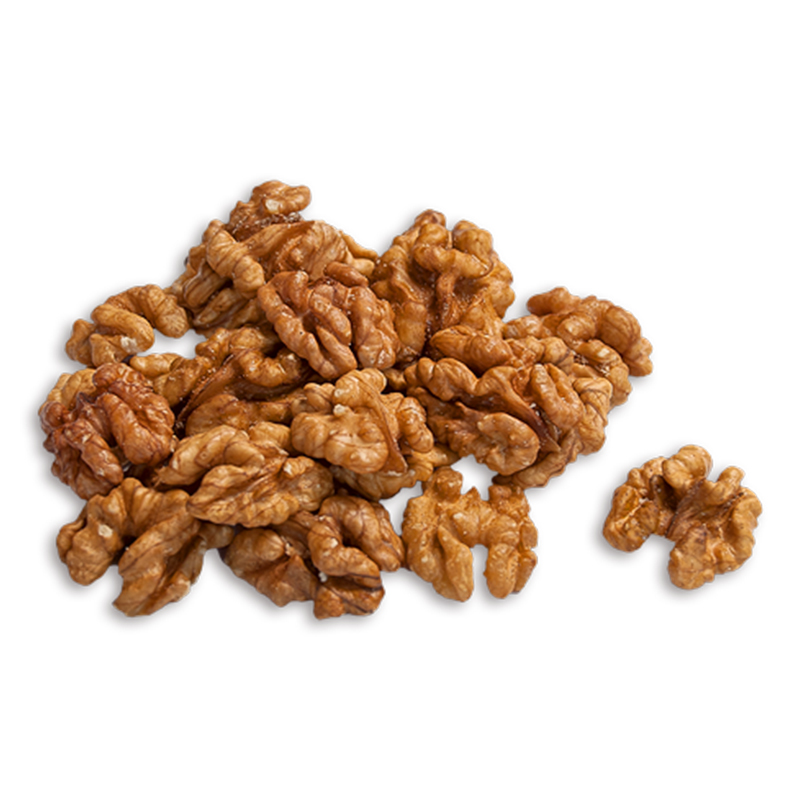
The Xin 2 walnut offers a completely different structural profile. It features a moderate to thick shell structure. This varietal feels noticeably sturdier and heavier than the fragile 185. The rigid exterior provides excellent protection for the internal nutmeat during aggressive handling, harvesting, and international transit.
Yield metrics for the Xin 2 reflect its thicker protective casing. The kernel extraction rate typically rests between 50% and 55%. While lower than paper-shelled alternatives, the internal structure offers a unique processing advantage. The internal membranes release the meat relatively cleanly when the shell fractures under mechanical pressure. This clean separation reduces the need for manual picking and sorting post-crack.
Industrial processors rely heavily on the Xin 2 for specific commercial outcomes. This varietal forms the backbone of bulk ingredient manufacturing. It is perfectly suited for automated cracking lines. High-speed rollers fracture the shells efficiently, producing massive volumes of pieces and quarters. You choose the Xin 2 when whole-half retention is not your primary key performance indicator (KPI). These broken Walnut Kernels flow directly into baking-grade ingredient channels, energy bar manufacturing, and cereal production.
You must acknowledge the implementation realities before purchasing this varietal. The Xin 2 requires robust mechanical processing infrastructure. Hand-cracking proves too difficult and economically unviable. Additionally, the thicker shells drastically increase freight weights for in-shell buyers. You pay to ship a large volume of heavy, unusable shell material across the ocean. Due to these logistics, buyers often find it much more economical to purchase the Xin 2 as pre-shelled goods directly at the origin point.
The 33 walnut, often referred to as Xin 33, balances structural integrity and processing efficiency. It features a medium shell thickness. Agriculturally, this varietal boasts high resistance to diseases and pests. This biological resilience results in highly consistent crop outputs year over year. Buyers appreciate knowing their supply chain will not collapse due to a single bad weather event or pest infestation.
Performance data shows the 33 varietal delivering highly reliable yield rates. Processors usually capture a kernel rate between 53% and 58%. Beyond simple yield volume, the 33 varietal holds a strong reputation for aesthetic uniformity. It consistently produces light-colored kernels. This visual reliability makes it a favorite among quality assurance teams.
We recommend the 33 varietal for large-scale commercial contracts. When a buyer needs strict color consistency across multiple shipping containers, the 33 delivers. Discerning retail brands utilize these uniform Walnut Kernels for transparent packaging. Visual uniformity directly impacts consumer trust. Shoppers expect every bag on the shelf to look identical. The Xin 33 ensures your final packaged goods meet these rigid visual expectations.
Despite its strengths, the 33 varietal acts as a generalist rather than a specialist. It lacks the extreme thinness of the 185, making it less appealing for niche, hand-crack retail markets. Simultaneously, it lacks the heavy structural rigidity of the Xin 2. Aggressive, high-speed industrial processing might cause slightly more breakage here than it would in thicker-shelled options. It remains a strong all-rounder for buyers needing dependable scale.
Commercial Walnut Varietal Comparison Chart
Varietal | Shell Thickness | Average Kernel Yield | Primary Processing Method | Ideal End Product |
|---|---|---|---|---|
185 (Paper-Shell) | 0.6mm - 0.8mm | 60% - 65%+ | Manual / Hand-Cracked | Premium Extra-Light Halves |
Xin 2 (Xiner) | Thick / Rigid | 50% - 55% | Automated / Mechanical | Baking Pieces & Quarters |
33 (Xin 33) | Medium | 53% - 58% | Hybrid | Uniform Retail Packages |
Transitioning your focus from agricultural varietals to processed spec sheets requires a structured evaluation framework. Once a facility cracks the shell, the underlying varietal becomes secondary to the grading classification. You must evaluate pre-shelled products strictly on international metrics. Understanding these grading parameters protects your procurement budget.
The industry universally aligns with USDA grading standards to define product quality. You evaluate batches based on two core axes: color and size. Color serves as the primary driver of market price. The parameters include Extra Light, Light, Light Amber, and Amber. Extra Light commands the highest premium due to its visual appeal and mild flavor profile. Darker colors often indicate older stock, heat stress during drying, or specific varietal traits. Size specifications further categorize the product. Facilities separate the yield into Halves, Pieces and Halves, Pieces, and Small Pieces. You match the size specification directly to your manufacturing needs.
Vendor contracts must establish strict tolerances and defect allowances. Zero-defect agriculture does not exist. However, you must cap acceptable thresholds for foreign material. Shell fragments represent the most dangerous defect, as they pose a severe dental hazard to end consumers. Your contracts must also define limits for shriveling, dark spots, mold, and rancidity. Establishing a maximum tolerance of 0.05% for shell fragments protects your brand liability.
Buyers must acknowledge transparent pricing assumptions during procurement. Higher "half-rates" exponentially increase wholesale prices. Automated machines inevitably produce a mix of halves and pieces. Extracting pure, intact halves requires extensive manual sorting labor at the processing facility. You pay directly for this human intervention. If your recipe calls for crushing the nuts into a pesto or a baking dough, buying premium halves wastes your budget entirely. Align your spec sheet with your actual culinary requirements.
Procuring raw agricultural goods across international borders introduces severe logistical risks. Moisture content stands as the most critical stability metric. You must ensure suppliers dry the kernels to below 5% to 8% moisture. Excessive moisture triggers aggressive mold growth during slow sea freight. Conversely, over-drying makes the nut brittle, leading to dust and breakage during transit. Proper moisture control maintains the essential crunch and prevents spoilage.
International compliance demands strict laboratory testing. Aflatoxin represents a serious global health concern in the nut industry. Mandatory laboratory testing requirements dictate import viability. Your shipments must pass stringent FDA parameters for the United States or EFSA standards for European markets. Phytosanitary certificates prove the shipment remains free from active pest infestations. Never authorize a shipment without reviewing recent, third-party Certificate of Analysis (COA) documents.
Maintaining the cold chain and utilizing specialized packaging prevents lipid oxidation. Walnuts contain high levels of polyunsaturated fats. These fats quickly turn rancid when exposed to heat and oxygen. Vendors must utilize vacuum packing or nitrogen flushing techniques. Suppliers typically pack the flushed product into 10kg or 12.5kg corrugated cartons. This specific packaging methodology blocks oxygen ingress and extends the shelf life to 12-18 months under appropriate temperature controls.
Executing a safe procurement strategy requires logical shortlisting steps. We recommend following a strict sequence when engaging new suppliers:
Request pre-shipment samples from the exact batch intended for your order.
Verify all third-party lab COAs against your regional import requirements.
Conduct a facility audit via video call to inspect their sorting and packing lines.
Start with a pilot Less than Container Load (LCL) shipment before committing to a Full Container Load (FCL).
Match the varietal to the machine: Select 185 walnuts for premium hand-cracked halves, Xin 2 for automated processing lines, and 33 for high color uniformity and bulk stability.
Audit your infrastructure: Clearly define your own mechanical limits before purchasing in-shell products to avoid massive breakage rates.
Define exact end-product specs: If buying pre-shelled goods, write strict contracts detailing acceptable USDA color grades, size ratios, and defect tolerances.
Prioritize packaging protocols: Demand nitrogen-flushed or vacuum-sealed cartons to protect the high-fat content from oxidation during international transit.
Mitigate risk through testing: Always verify third-party COAs for aflatoxin and moisture content prior to finalizing any bulk agricultural contract.
A: The 185 varietal produces the highest percentage of Extra-Light whole halves. Its extremely thin "paper shell" allows for delicate manual cracking. This manual process bypasses harsh machinery, preserving the structural integrity of the nutmeat and resulting in a much higher retention rate for premium, unblemished halves.
A: It depends on your internal labor and machinery costs. Importing in-shell walnuts means paying heavy ocean freight for unusable shells. Buying kernels shifts processing and sorting costs to the supplier. For most modern food manufacturers lacking dedicated cracking facilities, buying processed kernels yields a superior, more predictable ROI.
A: Yes, suppliers often blend pre-shelled kernels to achieve specific price points or meet massive volume requirements. However, you must stipulate strict uniformity parameters in your contract. Blending can result in mismatched color grading or inconsistent sizing if the supplier lacks rigorous optical sorting technology.
A: Processors typically pack bulk export walnuts in 10kg or 12.5kg corrugated cartons. Inside the carton, the kernels sit inside specialized poly bags. These bags undergo vacuum sealing or nitrogen flushing to remove oxygen, preventing rancidity and ensuring stability throughout long sea voyages.


