
- All
- Product Name
- Product Keyword
- Product Model
- Product Summary
- Product Description
- Multi Field Search
Views: 0 Author: Site Editor Publish Time: 2026-05-18 Origin: Site


Consumers everywhere recognize Walnut Kernels as a powerful health food. However, clever marketing often blurs the line between genuine medical benefits and exaggerated claims. You need to separate this hype from clinically proven outcomes before making major dietary changes. The same applies before you decide to buy these nuts in bulk. Understanding how these nuts actually function inside the human body matters immensely. It is equally important to learn how to source, store, and dose them safely to maximize their nutritional value.
This definitive evaluation guide bridges the gap between complex nutritional science and everyday consumer reality. We provide an objective, medically-aligned breakdown of their core benefits, contraindications, and potential risks. You will also discover strict quality evaluation criteria to help you make highly informed purchasing decisions.
Metabolic ROI: Walnut kernels deliver massive nutritional value (Omega-3 ALA, polyphenols) with a proven "calorie deficit"—the body only absorbs about 145 calories per 190-calorie serving.
Systemic Health Impacts: Clinical data strongly supports their role in cognitive preservation, heart health (lowering LDL), and gut microbiome optimization (urolithin production).
Quality Matters: Maximum benefit relies on proper sourcing (light-colored, unsalted) and temperature-controlled storage to prevent the oxidation of fragile polyunsaturated fats.
Safety Protocol: Safe for daily consumption (typically 1 oz/28g), but requires caution for those with nut allergies or individuals taking specific thyroid medications.
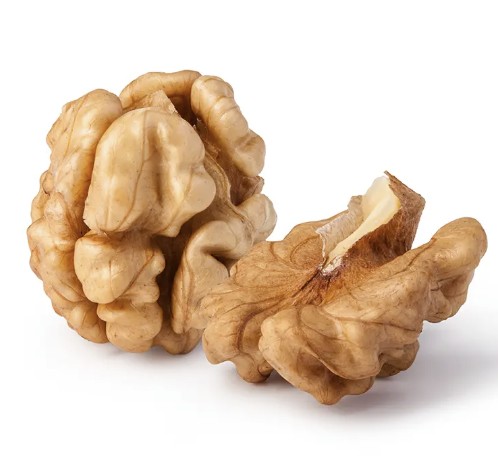
Scientific research clearly validates the systemic health benefits of these nuts. We can look past generic superfood labels to see exact biological mechanisms at work. They deliver measurable improvements across several bodily systems.
These nuts contain an exceptionally high concentration of Alpha-Linolenic Acid (ALA). ALA represents the primary plant-based Omega-3 fatty acid. Your body cannot produce ALA independently. You must obtain it directly through your diet. Clinical studies link regular intake to significant cardiovascular improvements. Consuming approximately 43 grams daily yields excellent results. Patients consistently show lower LDL cholesterol levels. They also experience improved overall blood pressure. These benefits compound significantly when users integrate the nuts within a broader Mediterranean diet framework.
Long-term brain health relies heavily on combating oxidative stress. These kernels provide a fascinating dual-action neurological mechanism. First, powerful antioxidants directly protect fragile brain tissue from cellular damage. They neutralize free radicals before they degrade neural pathways. Second, physical satiety actively impacts the appetite-control centers within your brain. Functional MRI scans from recent studies demonstrate an interesting effect. Consuming these nuts strengthens neurological resistance against highly palatable, high-carb food cravings. You feel full physically, and your brain reduces its demand for junk food.
Your digestive tract acts as a highly complex chemical processing plant. Walnut polyphenols, specifically a type called ellagitannins, undergo a crucial cellular conversion here. Gut bacteria break these complex compounds down into smaller molecules called urolithins. Urolithins enter your bloodstream and deliver potent, systemic anti-inflammatory benefits. Laboratory studies show great promise regarding these urolithins. They appear to inhibit specific hormone receptors. Medical researchers know these specific receptors often promote certain types of cancer cell growth.
Targeted urology studies highlight specific, measurable benefits for male reproductive health. Daily consumption directly improves key clinical fertility metrics. Researchers note measurable improvements in overall sperm vitality. They also record better cellular morphology and increased motility. Adding Walnut Kernels to a daily diet offers a simple nutritional intervention. It provides a non-invasive way to support reproductive function without synthetic supplements.
Many buyers hesitate to consume nuts regularly due to their high fat and calorie content. We must address this primary concern using scientific reality checks. The way your body processes these calories might surprise you.
Standard nutrition labels display theoretical energy values based on basic chemistry. A standard 1-ounce (28-gram) serving theoretically contains 190 calories. However, human digestion does not act like a perfect laboratory incinerator. Clinical studies show the human body metabolizes only about 145 calories from this standard serving. The nut features a highly dense physical cell wall matrix. Your digestive enzymes cannot break down all the fat cells completely before they pass through the digestive tract.
This biological limitation creates a proven "calorie deficit" for everyday consumers. You get the nutritional benefits without absorbing the full caloric load. We can visualize this reality using the comparison chart below.
Metric (Per 1 oz / 28g Serving) | Theoretical Value (Label) | Actual Absorbed Value (Human Body) | Difference / Deficit |
|---|---|---|---|
Total Calories | 190 kcal | ~145 kcal | -45 kcal (24% unabsorbed) |
Total Fat Absorption | 18g | ~13.5g | -4.5g unabsorbed |
Beyond the unique caloric reality, these nuts boast an impressive micronutrient profile. A single 1-ounce serving covers significant portions of your Daily Reference Intake (DRI). You receive roughly 14% of your daily required magnesium. It also delivers about 4% of your daily iron needs. Magnesium plays a vital role in muscle recovery and nerve function.
Furthermore, they provide highly specialized natural antioxidants. You get a solid dose of Gamma-tocopherol. This represents a highly potent, anti-inflammatory form of Vitamin E. They also supply naturally occurring melatonin. Consuming natural melatonin helps regulate your daily circadian rhythms. This ultimately improves your overall sleep quality and duration.
Maximum nutritional benefit relies heavily on proper ingredient sourcing. Poor quality nuts lose their delicate polyunsaturated fats to rapid oxidation. You must evaluate freshness carefully before making a purchase. Knowing what to look for prevents you from buying degraded products.
Use these three sensory markers to identify premium quality merchandise:
Color: Always look for light golden to pale kernels. Dark discoloration frequently indicates old age. It can also point to poor temperature handling during international transit.
Aroma and Flavor: They must smell earthy and exceptionally clean. A harsh, paint-like, or overly bitter smell indicates severe lipid oxidation. This immediately means the delicate fats have gone rancid.
Texture: High-quality kernels should snap crisply in half. They should never feel rubbery, soft, or bendable under mild physical pressure.
We highly recommend choosing raw, unsalted, and preservative-free products. Processing methods like heavy commercial roasting often destroy fragile polyphenols entirely. Adding excessive salt completely negates the natural blood pressure benefits of the nuts.
Transparent agricultural supply chains matter immensely here. Premium suppliers utilize highly controlled post-harvest drying techniques. Thorough and rapid drying prevents dangerous mold growth. It also ensures the delicate omega-3 fatty acids remain perfectly intact. Selecting reliable Walnut Kernels ensures you get the exact health outcomes you expect from your diet.
Knowing how to store and dose these nuts properly prevents costly spoilage. It also helps you avoid unnecessary gastrointestinal discomfort. Proper protocols guarantee you extract the maximum value from your purchase.
Clinical nutrition guidelines recommend a standard daily serving of exactly 1 ounce (28 grams). This standard serving size visually translates to several easily recognizable measurements:
A standard, single-handed grasp (one small handful).
Exactly one-quarter cup by volume.
Roughly 12 to 14 individual kernel halves.
Practical dietary integration remains incredibly simple. You can add them to your morning oats for sustained physical energy. Blend them into green smoothies to dramatically increase physical satiety. Alternatively, use them as a crunchy, nutrient-dense salad topping for lunch.
High polyunsaturated fat (PUFA) content makes these nuts extremely vulnerable to environmental damage. Ambient heat, oxygen, and direct light rapidly degrade PUFAs. You must establish strict storage rules to preserve the delicate fatty acid profile at home.
Always keep them in airtight glass jars or BPA-free plastic containers. Oxygen exposure accelerates rancidity faster than any other factor. Standard pantry storage often fails during warmer summer months.
Storage Method | Temperature Range | Maximum Shelf Life | Best Use Case |
|---|---|---|---|
Pantry (Dark & Cool) | 60°F - 70°F | 2 to 4 weeks | Immediate, daily consumption. |
Refrigerator | 35°F - 40°F | Up to 3 months | Bulk buyers eating weekly. |
Deep Freezer | 0°F or below | Up to 1 year | Long-term preservation. |
Storing them properly in cold environments guarantees maximum polyphenol and Omega-3 retention over time.
Even natural superfoods carry specific physiological risks. You must understand potential medical contraindications before integrating them heavily into a daily routine. Safety requires acknowledging these limitations upfront.
Medical professionals classify walnuts as a major tree nut allergen. Allergic reactions vary widely among different individuals. Some people experience mild Oral Allergy Syndrome. This condition causes temporary itching in the mouth and throat after eating. Others may suffer severe, life-threatening anaphylaxis. You must exercise extreme caution if you have any known tree nut allergies.
We must highlight a critical medical nuance regarding daily consumption. High-fiber and mineral-dense foods can actively interfere with specific prescription medications. They specifically disrupt the intestinal absorption of certain synthetic thyroid hormone medications. Patients taking levothyroxine should always consult their endocrinologist. You will likely need to space out your medication and nut consumption by several hours to ensure proper drug absorption.
More is not always better in nutritional science. We strongly warn against exceeding recommended daily limits. Excessive intake easily leads to severe gastrointestinal distress. The exceptionally high fiber and fat content can cause bloating, gas, or diarrhea. Additionally, eating massive quantities creates an unintentional caloric surplus. This entirely defeats the weight management and metabolic benefits discussed earlier.
To conclude, Walnut Kernels serve as a highly efficient, biologically active food source. You unlock significant cardiovascular, neurological, and metabolic benefits when you dose them correctly. Realizing these clinical health benefits strictly requires purchasing high-quality products. Stale, heavily processed, or improperly stored alternatives will not deliver the promised omega-3 or polyphenol values. Their delicate fats will degrade before you ever consume them.
Take action today by evaluating your current pantry storage methods. Throw away any old nuts smelling like paint or exhibiting dark, moldy discoloration. Explore premium, raw options to integrate into your daily routine safely. Consistent, measured consumption of fresh kernels remains the absolute best strategy for long-term systemic health.
A: Neither is strictly "better." Walnut kernels dominate in Omega-3s (ALA) and brain-supporting antioxidants. Almonds offer higher Vitamin E and magnesium. They serve entirely different functional purposes depending on your specific dietary goals.
A: Yes. Clinical guidelines recommend eating 30 to 60 grams daily as part of a balanced diet. This assumes you have no tree nut allergies or specific medication contraindications, such as synthetic thyroid medication interactions.
A: A slight bitterness occurs naturally due to the polyphenol-rich skin, known as the pellicle. However, an overwhelming bitterness or a harsh chemical aftertaste strongly indicates rancidity. This happens due to poor storage and lipid oxidation.


