
- All
- Product Name
- Product Keyword
- Product Model
- Product Summary
- Product Description
- Multi Field Search
Views: 0 Author: Site Editor Publish Time: 2026-07-08 Origin: Site


Premium specialty fats represent a true investment in your kitchen’s flavor arsenal. You should treat them as exquisite enhancements rather than everyday bulk utility fats. Their complex profiles instantly elevate ordinary meals into memorable culinary experiences. Unfortunately, home cooks and professional chefs often waste Walnut Oil by misusing it. Applying improper heat or storing it incorrectly destroys its delicate cellular structure. These common mistakes inevitably result in bitter flavors and completely spoiled products. You lose both money and culinary potential.
This guide provides an evidence-based framework to help you avoid these pitfalls. We will explore how to evaluate, apply, and preserve this premium ingredient effectively. You will discover exactly how to maximize your culinary return on investment. By following these straightforward principles, you ensure every single drop delivers maximum impact. Utilizing these delicate fats correctly transforms your entire cooking approach.
Heat ruins unrefined walnut oil: Its low smoke point (around 320°F/160°C) means it should primarily be used as a finishing oil or in cold applications.
Extraction dictates application: Roasted walnut oil offers deep, robust flavor for savory dishes, while cold-pressed raw walnut oil provides delicate, grassy notes better suited for light dressings.
Storage is a critical risk factor: High omega-3 fatty acid content makes it highly susceptible to oxidation; refrigeration and light-blocking containers are mandatory.
Cost-efficiency requires strategic use: Due to its premium price point, it is best deployed in small quantities alongside neutral carrier oils.
Understanding the fundamental flavor profile remains your first step to culinary success. This ingredient delivers highly distinct organoleptic properties. You will quickly notice earthy, nutty, and slightly astringent tasting notes. These astringent qualities come directly from tannins found in the nut skin. These complex characteristics significantly alter the flavor architecture of any dish. A few carefully placed drops can transform a bland salad into a gourmet experience. It adds an intense, savory depth entirely missing from neutral everyday fats.
Next, we must separate nutritional reality from aggressive marketing hype. Marketers frequently promote high levels of polyunsaturated fats and Omega-3s. These health benefits are genuinely real and scientifically validated. It contains alpha-linolenic acid (ALA), an important dietary fatty acid. However, heat degradation quickly neutralizes these distinct advantages. High temperatures destroy the fragile lipid structures. They strip away the very nutrients you originally wanted to consume. You simply cannot treat this ingredient like a standard cooking fat.
Finally, consider the crucial cost-to-impact ratio. This product inevitably carries a premium price tag. Success means achieving a distinct flavor upgrade without wasting an expensive ingredient. You must deploy it strategically across your menu. Using too much overwhelms the human palate. Using it incorrectly wastes your financial investment. Proper application constantly balances intense flavor against reasonable portion sizes. We measure culinary success by the maximum sensory impact achieved per drop.
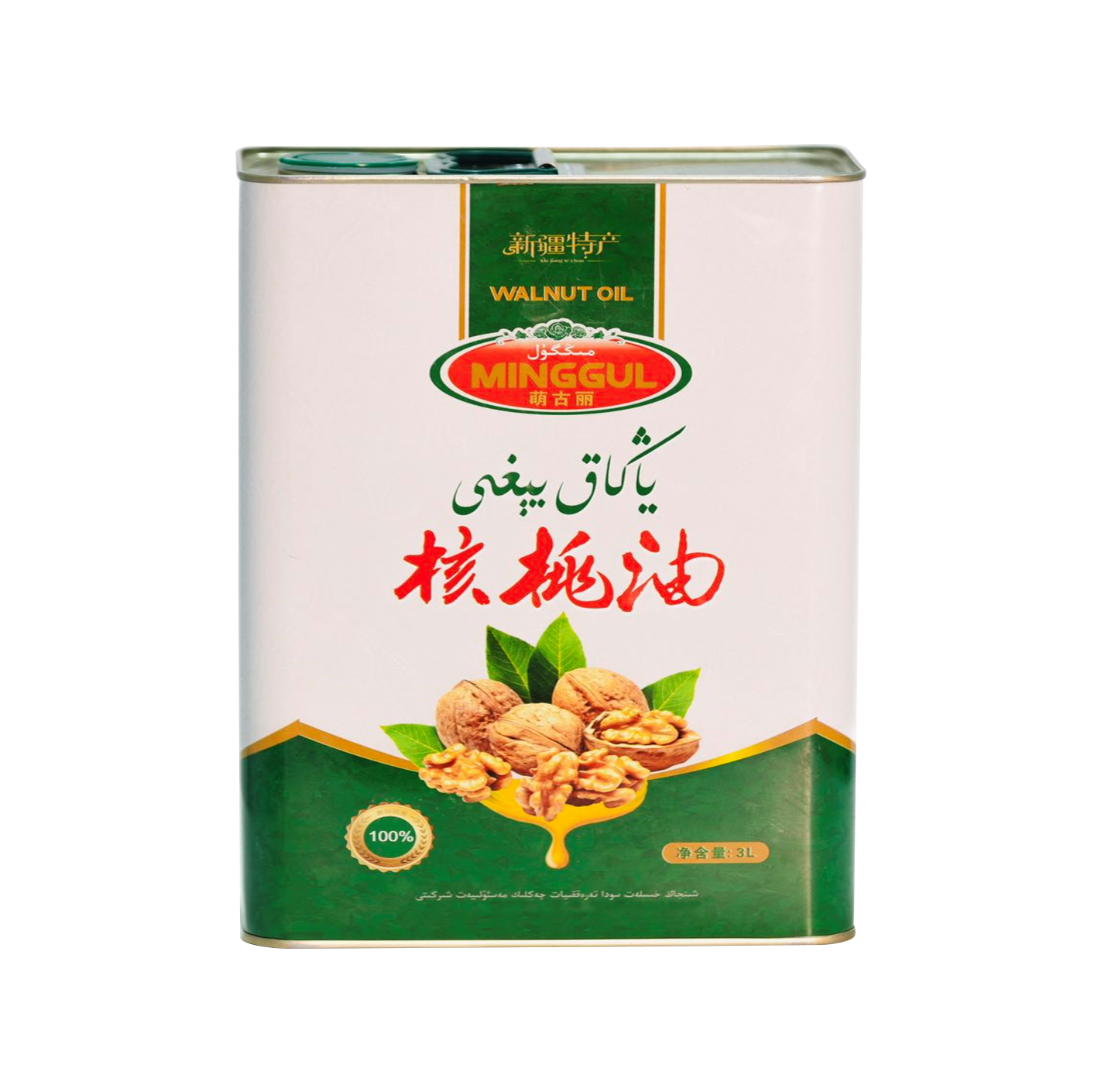
You must categorize your cooking methods to prevent costly mistakes. We separate applications into four distinct categories based on their return on investment. This framework guarantees optimal flavor extraction.
Finishing Applications (High ROI)
Finishing dishes represents the highest return on your ingredient investment. You apply the fat directly before serving the meal. This gentle technique completely preserves the delicate earthy notes.
Drizzle it over roasted root vegetables or sweet winter squash.
Brush it onto grilled meats post-cooking for added savory richness.
Add sophisticated depth to mature cheeses and charcuterie boards.
Enhance fresh fruit carpaccio for an unexpected dessert profile.
Emulsions and Cold Sauces (Moderate ROI)
Building cold sauces offers a moderate return on investment. The bold nutty flavor can sometimes dominate a delicate sauce framework. You must balance the intensity carefully.
Build balanced vinaigrettes by blending different fats. We recommend a strict 1:2 ratio. Use one part specialty nut fat to two parts neutral grapeseed fat. This prevents the strong nutty notes from overpowering delicate greens.
Enhance homemade pestos for a unique, earthy twist.
Stir into yogurt-based or bean-based dips for extra aromatic complexity.
Baking (Conditional ROI)
Baking provides a highly conditional return on investment. Normally, high oven heat destroys delicate unrefined lipids. However, certain baked goods offer built-in internal temperature buffers. The batter's moisture naturally protects the lipids from burning.
Use it in dense, moist banana bread recipes.
Incorporate it into rich carrot cake batters.
The internal crumb temperature of these cakes rarely exceeds 210°F (99°C). This much lower internal temperature preserves the nutty profile perfectly.
Searing and Frying (Negative ROI / High Risk)
You must never use unrefined Walnut Oil for searing or frying. This approach always yields a highly negative return. It poses severe culinary and health risks. The chemical breakdown occurs rapidly at the low smoke point. This thermal threshold sits around 320°F (160°C). Heating it past this critical point creates acrid, bitter flavors. It completely ruins the meal. Furthermore, this intense heat releases harmful free radicals. You destroy the nutritional value while simultaneously creating toxic chemical compounds.
Different extraction methods dictate how you should apply the final product. Understanding these manufacturing variations helps you make informed purchasing decisions. You will typically encounter three primary types on specialty grocery shelves.
Table: Variant Extraction and Application Comparison
Variant Type | Extraction Method | Best Culinary Uses | Primary Pros | Primary Cons |
|---|---|---|---|---|
Roasted | Expeller-Pressed | Hearty greens, blue cheese, savory meat dishes | Higher flavor yield per drop; bold, robust taste | Slightly lower nutritional profile due to pre-roasting heat |
Cold-Pressed (Raw) | Mechanical Cold Press | Light spring salads, delicate dishes, health focus | Retains maximum raw nutrients and volatile antioxidants | Milder flavor requires larger quantities to register |
Refined | Chemical/Heat Refined | High-heat cooking (Strongly Not Recommended) | Higher smoke point; completely neutral flavor | Defeats the primary purpose of buying specialty fats |
Roasted variants undergo expeller pressing after the nuts are heavily toasted. This pre-roasting process massively intensifies the earthy flavor profile. It is best for pairing alongside hearty, robust ingredients. You can confidently match it against strong blue cheese. It balances perfectly against bitter greens like endive or radicchio. The primary advantage is a significantly higher flavor yield per drop. You need very little liquid to achieve a massive sensory impact. The main drawback is a slightly compromised nutritional profile. The initial pre-roasting heat degrades a small percentage of sensitive antioxidants.
Cold-pressed raw variants rely entirely on gentle mechanical extraction. Producers press the raw nuts without applying any external heat. This gentle process protects the delicate omega fatty acids completely. It is best suited for delicate dishes and health-focused applications. You should reserve it for light spring salads or subtle vegetable purees. The main benefit is absolute maximum nutrient and antioxidant retention. However, this raw extraction produces a much milder, grassier flavor. You often need larger quantities for the taste to register on the human palate.
Refined variants act as the true outlier in this grocery category. Manufacturers use chemical solvents and intense heat to extract the remaining fat. This aggressive industrial process creates a neutral flavor and a higher smoke point. We strongly dismiss refined versions for any gourmet applications. Purchasing a refined nut fat defeats its primary culinary purpose. You lose the distinct nutty aroma entirely. You are much better off buying inexpensive canola or vegetable alternatives for high-heat needs.
High-quality nut fats represent a highly fragile chemical matrix. Implementation risks run exceptionally high if you ignore basic storage protocols. The most prominent kitchen threat is the rapid rancidity problem.
Walnut Oil contains an exceptionally high percentage of polyunsaturated fats. These specific fat molecules feature multiple double bonds within their chemical structure. These open bonds eagerly react to oxygen, light, and ambient heat. This constant reactivity makes the product highly unstable compared to olive or canola alternatives. Lipid oxidation occurs rapidly when left exposed on a counter. Rancidity quickly transforms the beautiful nutty flavor into a harsh, bitter nightmare.
Container evaluation becomes your absolute first line of defense. You must strictly avoid products sold in clear glass or clear plastic bottles. Ambient light acts as a powerful catalyst for rapid oxidation. Ultraviolet rays break down the fragile lipids almost immediately upon exposure. We recommend purchasing opaque tins exclusively. Alternatively, look for dark UV-filtering glass bottles. Industry standards, like the opaque packaging used by La Tourangelle, prioritize complete light blockage for a reason.
Strict storage protocols guarantee a reasonable, safe shelf life. An unopened container belongs in a cool, dark pantry away from the stove. It will safely last between 12 and 24 months in these ideal conditions. However, the countdown clock starts ticking the very moment you break the factory seal. You must refrigerate an opened bottle immediately. The cold internal refrigerator environment drastically slows down the chemical oxidation process. You can expect a usable lifespan of three to six months post-opening. The liquid may turn slightly cloudy while resting in the cold refrigerator. This minor visual change is completely harmless to the product. It will clear up quickly once it returns to normal room temperature.
Selecting the right bottle requires careful and deliberate label auditing. You must look past clever marketing claims and examine the hard facts. Sourcing transparency always serves as your most reliable quality indicator.
Look for clear indicators of geographic origin on the front packaging. Regions like the Périgord in France maintain incredibly strict agricultural standards. California also produces exceptionally high-quality tree nuts under rigorous state regulations. Specific origin labels often correlate with superior harvesting and processing techniques. A generic label lacking a specific origin raises immediate red flags regarding quality control.
Next, perform thorough ingredient label verification on the back panel. The official ingredient list should read exactly "100% Walnut Oil". Unscrupulous manufacturers often dilute expensive nut extracts to increase their profit margins. They secretly create hidden blends using cheaper soybean or sunflower alternatives. These diluted blends severely compromise the desired flavor profile. They also introduce unwanted, cheap omega-6 fatty acids into your daily diet. Always read the fine print before completing your premium purchase.
Finally, conduct strict date auditing at the grocery store. You must always check the stamped harvest date or the "best by" date. Specialty fats often sit on supermarket shelves for extended periods due to low turnover. You desperately want to avoid buying pre-oxidized, aging inventory. If the bottle lacks a clearly printed expiration date, do not buy it. Choose a popular retailer known for high product turnover to ensure maximum ingredient freshness.
This comprehensive guide equips you with a reliable decision matrix for culinary success. Buy the roasted variants when you need a massive, savory flavor impact. Choose the cold-pressed options when delicate nutrition remains your primary goal. You must never use these premium fats for high-heat frying. You must always refrigerate them immediately after breaking the seal.
Proper application protects your financial investment and dramatically elevates your cooking. We strongly encourage you to audit your pantry today. Throw away any expired or rancid nut fats hiding in the dark corners. Start integrating fresh, high-quality alternatives into your weekly meal preparation. Try whisking a small amount into a simple everyday vinaigrette. Drizzle a tiny spoonful over your next batch of roasted root vegetables. These small, strategic adjustments will completely transform your daily culinary routine.
A: Yes, you can substitute it in cold applications like salad dressings or cold sauces. However, you must note the significant flavor difference. It imparts a strong, earthy nuttiness that fundamentally alters the dish. You must strictly avoid substituting it for sautéing or frying due to its extremely low smoke point.
A: You must rely on clear sensory cues to detect dangerous rancidity. Spoiled product smells distinctly like old paint, harsh varnish, or stale putty. When tasted, it loses all its pleasant nuttiness completely. It will taste sharply bitter, sour, or unpleasantly acidic on your tongue.
A: No, it is generally unsafe for individuals with diagnosed tree nut allergies. Unrefined versions retain the specific allergenic proteins that trigger severe immune responses. Even highly refined versions pose a massive cross-contamination risk. You should never serve it to anyone with a known tree nut allergy.
A: You should pair it alongside mild, nuanced acids. We highly recommend using champagne vinegar, sherry vinegar, or apple cider vinegar. These gentle vinegars provide necessary acidity without masking the delicate nuttiness. You should always avoid harsh, overpowering options like cheap distilled white vinegar or heavy balsamic.


