
- All
- Product Name
- Product Keyword
- Product Model
- Product Summary
- Product Description
- Multi Field Search
Views: 0 Author: Site Editor Publish Time: 2026-05-07 Origin: Site


Medical professionals consistently recommend them. Consumers, however, often view them suspiciously due to their dense calorie profile. You stand in the grocery aisle debating your choice. Will a handful of nuts improve your cardiovascular health? Or will it accidentally derail your daily dietary goals? Consuming nuts easily bridges critical nutritional gaps. They deliver essential healthy fats, rich dietary fiber, and robust plant protein.
However, buying the wrong commercial blend changes everything. Failing to control your portions also causes immediate problems. These simple mistakes quickly transform a highly functional food into an unintentional calorie surplus. You must navigate these pitfalls carefully. The difference between a healthy habit and a metabolic burden relies entirely on proper execution.
This guide strips away loud marketing hyperbole. We evaluate the true clinical realities of integrating Mixed Nuts into your daily routine. We will examine concrete physiological outcomes. We will debunk persistent calorie absorption myths. Finally, we provide a rigorous, evidence-based framework. You will learn exactly how to select the right product for your pantry.
Synergistic Nutrition: Mixed nuts offer a broader spectrum of bioactives (Omega-3s, L-arginine, selenium) than single-nut varieties.
The Calorie Paradox: Human digestion fails to absorb up to 20% of the calories in whole nuts due to resilient cell wall structures.
Metabolic Superiority: Clinical trials demonstrate that replacing refined carbohydrates with mixed nuts stabilizes blood glucose and insulin levels.
The Substitution Rule: For weight and health benefits, nuts must replace processed snacks (like chips or pretzels), not act as additive calories.
Procurement Standard: Maximizing ROI on mixed nuts requires prioritizing raw or dry-roasted (oil-free) variants stored correctly to prevent lipid oxidation.
Dietary interventions require clear objectives to succeed. We must define what makes nuts a functional tool rather than a casual, mindless snack. When you consume them purposefully, you target specific physiological responses. You want sustained energy throughout your afternoon. You desire profound satiety to prevent overeating later. You also seek high micronutrient density. Achieving these success criteria demands a strategic approach to your daily nutrition.
A synergistic blend consistently outperforms single-source options. Eating only almonds provides great benefits, but it limits your overall nutritional spectrum. Combining different varieties creates a powerful compounding effect. Different seeds contain entirely different bioactive compounds. When you combine them, you effectively cover multiple nutritional bases in a single handful.
Almonds: They provide exceptionally high amounts of dietary fiber. They also offer abundant Vitamin E, acting as a powerful antioxidant to protect your cellular membranes.
Walnuts: These serve as the premier source of plant-based Omega-3 fatty acids. They specifically deliver alpha-linolenic acid (ALA), supporting brain health and reducing systemic inflammation.
Brazil Nuts: They contain an extreme density of selenium. Eating just one or two pieces daily fully supports optimal thyroid function and metabolic regulation.
Cashews & Pistachios: These varieties are rich in beneficial plant sterols. They also provide high levels of L-arginine. This essential amino acid supports healthy vascular tone and improves overall blood flow.
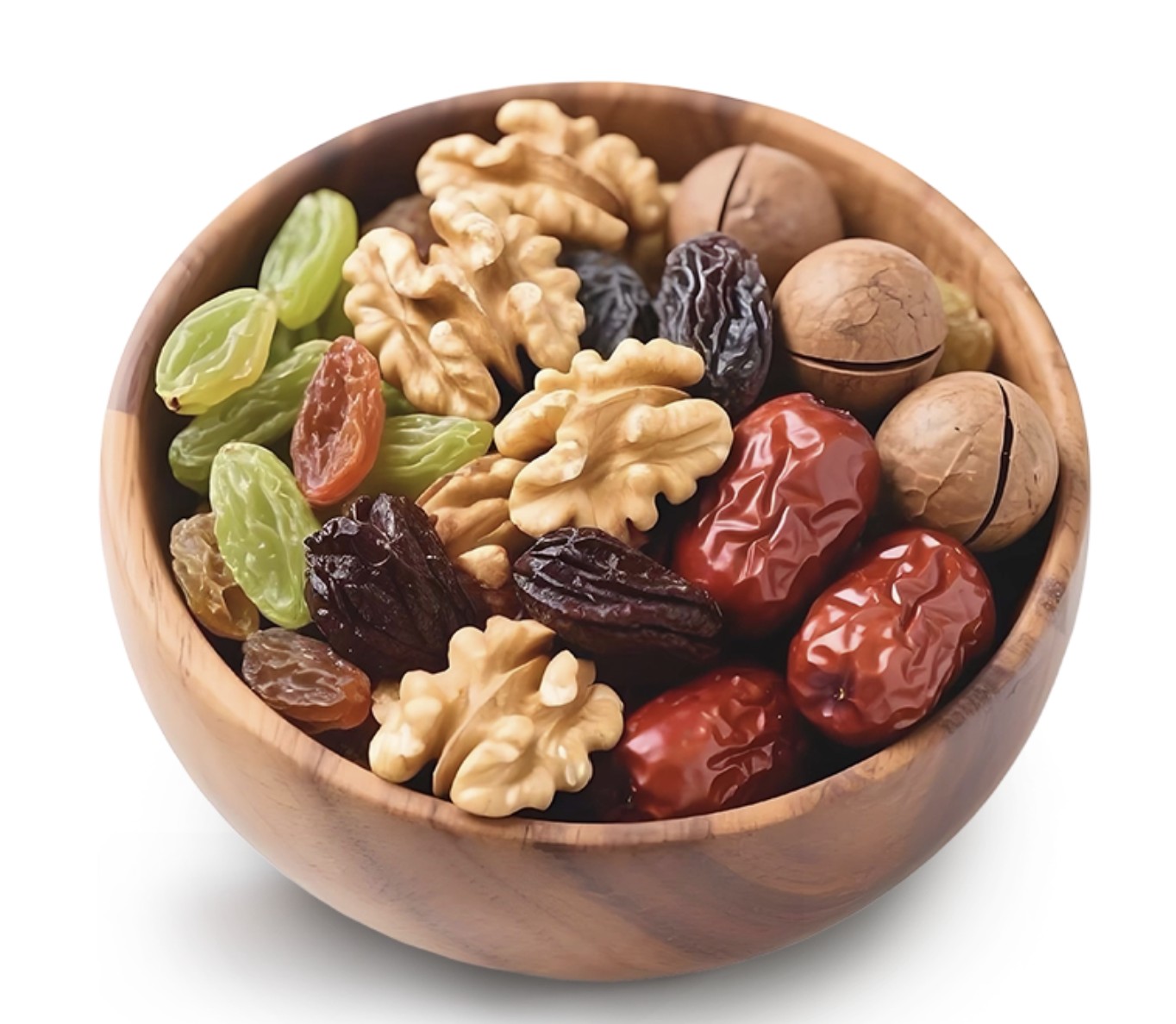
Many snack foods hide behind an unearned "health halo." Fortunately, robust clinical data supports the cardiovascular return on investment (ROI) for nuts. Longitudinal cohort data from Harvard Public Health metrics provides excellent insight here. Their multi-decade observations show a clear trend. Regular consumption directly correlates to significantly reduced cardiovascular disease risks. People eating nuts multiple times per week experience fewer heart-related events.
Clinical intervention trials further highlight this metabolic superiority. Researchers frequently compare eating a handful of nuts against eating refined carbohydrate snacks like pretzels or baked chips. The outcomes contrast sharply. Refined carbohydrates cause immediate spikes in postprandial blood glucose. Your pancreas then pumps out excess insulin to compensate. Conversely, nuts stabilize your postprandial blood glucose. Your insulin levels remain incredibly smooth and manageable. You avoid the dreaded afternoon energy crash entirely.
We must also acknowledge the profound mind-body connection. Your food directly influences your mood and daily satiety levels. Nuts contain Tryptophan. This essential amino acid acts as a direct biological precursor to serotonin. Serotonin operates as a primary neurotransmitter regulating your mood. Clinical trial findings link consistent nut consumption to elevated mood markers. Participants report feeling happier and more emotionally balanced. Furthermore, they experience extended satiety spanning several hours. Crucially, they achieve these benefits without demonstrating corresponding weight gain.
We must confront the primary reason consumers hesitate. The high label calories terrify many diet-conscious individuals. A small handful looks calorically dense on paper. Modern diet culture teaches us to avoid high-fat foods. This creates a severe mental block for people wanting to improve their heart health. We need to look past the nutrition label and understand human biology.
The mechanical reality of digestion explains the calorie absorption paradox. Digestion is not a perfectly efficient process. Plant cell walls inside nuts are incredibly resilient. They physically trap lipid droplets inside their fibrous structures. Your digestive enzymes simply cannot break down all these robust walls. Because of this, your body naturally excretes a measurable percentage of the intact lipids. You literally flush away a portion of the fat. Therefore, nutrition labels drastically overstate your actual absorbed energy.
Nut Type (1 oz serving) | Label Calories (Estimated) | Actually Absorbed Calories (Clinical Average) | Estimated Energy Excreted |
|---|---|---|---|
Almonds (Whole) | 164-170 kcal | ~129 kcal | Up to 20% |
Walnuts (Halves) | 185 kcal | ~146 kcal | Up to 21% |
Pistachios (Shelled) | 159 kcal | ~151 kcal | Up to 5% |
Cashews (Whole) | 157 kcal | ~132 kcal | Up to 16% |
*Note: Absorption rates vary slightly based on individual gut microbiomes and thoroughness of chewing.
Understanding this paradox leads us to the most critical implementation reality. We call this the Substitution Rule. This remains a strict, non-negotiable dietary protocol. Mixed Nuts do not cause weight gain under one specific condition. You must use them as an iso-caloric replacement for ultra-processed foods. You cannot simply add them on top of an existing hyper-caloric diet. Eating a large dinner, eating dessert, and then adding a bowl of nuts guarantees weight gain. Replacing your afternoon potato chips with a portion of nuts guarantees metabolic benefits.
You cannot blindly grab any jar off the supermarket shelf. Manufacturing processes radically alter the nutritional profile of the final product. Roasting methods dictate whether the product acts as medicine or junk food. Let us evaluate these features and their physiological outcomes.
Raw varieties offer the highest preservation of heat-sensitive antioxidants. However, they carry the highest risk of containing phytic acid. Phytic acid can temporarily bind to minerals in your digestive tract. Dry-roasted varieties represent the gold standard recommendation for daily consumption. The dry-roasting process enhances the natural flavor profile. It greatly improves overall digestibility. Best of all, it adds zero extra lipids to the food matrix. Conversely, oil-roasted varieties present high risks. Manufacturers submerge them in cheap, oxidized seed oils. This degrades the nutritional profile entirely. Oil-roasting serves as an immediate disqualifier for health-focused consumers.
You must establish strict boundaries regarding additives and preservatives. Commercial formulations often utilize added sugars to drive hyper-palatability. Honey-roasted coatings turn a healthy fat into a blood-sugar nightmare. Excessive sodium places unnecessary strain on your cardiovascular system. Artificial flavorings often mask low-quality, stale ingredients. These additives actively negate the exact cardiovascular benefits you seek.
Verify the Roasting Method: Ensure the label clearly states "Raw" or "Dry-Roasted." Reject anything listing vegetable oils, canola oil, or peanut oil.
Audit the Sodium Levels: Look for unsalted or lightly salted options. Keep sodium below 100mg per serving to protect your blood pressure.
Inspect the Sugar Content: Check the carbohydrate breakdown. Added sugars must equal zero grams.
Assess Packaging Integrity: Prioritize opaque, vacuum-sealed packaging. Avoid clear plastic tubs sitting under harsh supermarket lighting.
Quality and scalability also depend heavily on turnover rates. Assess the packaging design closely. Polyunsaturated fats remain highly volatile. Light and oxygen cause rapid lipid oxidation. Rancid fats promote cellular inflammation. Buying from high-turnover retailers ensures your product remains fresh, safe, and biologically beneficial.
Knowing what to buy solves only half the puzzle. You must integrate them correctly into your daily rhythm. The FDA and overarching clinical consensus align clearly on standardized dosing. An optimal serving size measures exactly one ounce. This equates to roughly 28 to 30 grams. Visually, this looks like a small, cupped handful. This precise dosage yields approximately 160 to 185 calories. Sticking to this standardized dose prevents accidental overconsumption.
Best Practices for Portion Control: Never eat directly out of a bulk bag. You will lose track of your intake immediately. Always pre-portion your servings into small glass containers or reusable silicone bags. Keep these pre-measured portions at your desk or inside your travel bag.
We recommend a specific target cadence for your consumption frequency. Aim for four to six servings per week. You do not need to consume them multiple times per day. Hitting this weekly target cadence helps you achieve steady-state metabolic benefits. It provides enough fiber and healthy fats to support your microbiome without overwhelming your digestive system.
Storage protocols demand serious attention. We previously mentioned the extreme fragility of unsaturated fats. You must mandate refrigeration or freezing for any bulk purchases. Keeping them in a warm pantry accelerates oxidation. Cold environments extend the shelf life dramatically. Freezing perfectly maintains lipid integrity for six to twelve months. Simply pull out your weekly allotment and let it thaw at room temperature.
Mixed nuts represent an overwhelmingly positive dietary inclusion. The clinical evidence aggressively supports their daily use. However, you must source them correctly. You must treat them as a strategic replacement for low-quality snacks, never as mindless extra calories. When you follow the substitution rule, you harness powerful plant compounds to stabilize your blood sugar, improve your mood, and protect your heart.
Your next steps require immediate action. Audit your pantry today. Discard any oil-roasted, heavily salted, or honey-sweetened nut blends. They serve no functional purpose. Purchase a high-quality, opaque bag of dry-roasted or raw nuts. Establish a new daily substitution habit. Swap out your afternoon processed carbohydrates for a precise one-ounce portion. This simple dietary pivot yields massive, compounding returns for your long-term metabolic health.
A: Dry roasting slightly reduces heat-sensitive vitamins but vastly improves overall digestibility. It remains a highly healthy choice. However, oil roasting destroys the nutritional profile by introducing oxidized fats. Regarding salt, moderate sodium remains perfectly acceptable for highly active individuals. Conversely, heavily salted commercial options pose serious blood pressure risks. Always choose unsalted or lightly salted variants.
A: Yes, if you consume them incorrectly. Weight gain occurs when you add them on top of an already high-calorie diet. You avoid weight gain by strictly following the substitution rule. You must use them to directly replace ultra-processed snacks. Maintaining strict one-ounce portion control boundaries guarantees you reap metabolic benefits without expanding your waistline.
A: They offer some benefits but fall short of the whole food. Processing whole nuts into oils completely strips away the beneficial dietary fiber. Commercial nut butters frequently hide added sugars, hydrogenated oils, and excess salt. If you choose nut butter, the ingredient list must contain only nuts and perhaps a trace amount of sea salt.
A: Both offer distinct advantages. Raw varieties provide maximal antioxidant retention because they avoid heat exposure. However, they contain phytic acid, which can hinder mineral absorption. Dry-roasted varieties break down this phytic acid, making them easier to digest. They also offer better flavor adherence, helping you stick to your healthy snacking habit long-term.


