
- All
- Product Name
- Product Keyword
- Product Model
- Product Summary
- Product Description
- Multi Field Search
Views: 0 Author: Site Editor Publish Time: 2026-07-01 Origin: Site


Clinical consensus has shifted dramatically over the past decade. Nuts have evolved from an occasional snack to a foundational component of preventative health protocols. Dietitians and physicians increasingly prescribe them for optimal wellness. You likely know they are healthy. However, you might struggle to maintain consistent consumption. Proper portion control also remains a frequent challenge. Furthermore, selecting products free from degraded oils or excessive sodium complicates your grocery routine.
Our objective is to move beyond generic health claims. We will evaluate the specific physiological benefits you gain from a structured routine. You will learn the exact criteria for evaluating commercial options. We will also provide a risk-adjusted framework for integrating them into a sustained dietary routine. By doing so, you can maximize nutritional returns without experiencing an unwanted caloric surplus. Implementing these strategies ensures you unlock their full biological potential.
Measurable Health ROI: Consistent daily intake is linked to quantifiable improvements in lipid panels, glycemic control, and inflammatory markers.
Sourcing Matters: Not all commercial nuts yield the same benefits; evaluating processing methods (raw vs. dry-roasted vs. oil-roasted) is critical for outcome success.
Risk Mitigation: Caloric density requires structured portion control (e.g., pre-portioned daily packs) rather than ad-libitum bulk grazing.
Strategic Implementation: Pairing specific nut profiles (e.g., walnuts for Omega-3s, almonds for Vitamin E) maximizes micronutrient coverage without redundancy.
Mapping clinical consensus to physiological outcomes reveals exact mechanisms of action. Consuming Daily nuts transforms your internal chemistry. They deliver highly specific benefits to your cardiovascular and metabolic systems.
High unsaturated fat content directly correlates to improved cardiovascular markers. They lower low-density lipoprotein (LDL) cholesterol efficiently. Simultaneously, they improve endothelial function. The endothelium is the inner lining of your blood vessels. When it functions well, your blood vessels dilate properly. This keeps your blood pressure in a healthy range. Routine consumption acts as an internal sweeping mechanism for your arteries.
You can stabilize your blood sugar by leveraging their unique food matrix. High fiber and healthy fats slow down gastric emptying. This process dictates how fast food leaves your stomach. When you slow this process, you blunt immediate insulin spikes. You should eat them alongside carbohydrates to flatten your glucose curve. This prevents the energy crashes usually experienced after carb-heavy meals.
Many people fear their high caloric density. However, they actually reduce your overall daily caloric intake. The combination of protein and fiber triggers specific satiety hormones. Your gut releases cholecystokinin (CCK) and peptide YY (PYY) after consumption. These hormones travel to your brain. They signal your hypothalamus to stop eating. This biological feedback loop prevents chronic overeating later in the day.
Your brain requires structural protection as you age. They are exceptionally rich in polyphenols and neuroprotective compounds. Walnuts and pecans specifically excel at defending against oxidative stress. They neutralize free radicals crossing the blood-brain barrier. This preserves neural pathways and maintains cognitive sharpness. Regular intake essentially provides a defensive shield for your central nervous system.
Your digestive tract relies on a diverse bacterial population. Prebiotic fibers serve as primary substrates for these bacteria. Beneficial gut microbes ferment these fibers into short-chain fatty acids. Butyrate is the most critical of these acids. It fortifies your gut barrier and prevents intestinal permeability. A stronger gut barrier directly reduces systemic immune reactions.
Beyond immediate digestion, you accumulate compounding benefits over decades. Long-term lifestyle adaptability ensures you reap sustained cellular rewards.
Chronic inflammation accelerates tissue damage. Elevated levels of dietary magnesium and L-arginine mitigate this damage. They specifically lower C-reactive protein (CRP). CRP is a primary inflammatory biomarker measured in blood tests. By driving down CRP, you protect your joints, vessels, and organs from premature wear. This cooling effect promotes systemic recovery.
Epidemiological studies consistently link regular consumption to reduced all-cause mortality. They protect telomere length at the cellular level. Telomeres cap your DNA strands. Longer telomeres indicate slower biological aging. Populations in Blue Zones consume them daily. They demonstrate remarkable longevity and disease resistance. You can emulate this biological advantage through consistent habits.
Refined snacks create volatile energy spikes. A low glycemic index paired with dense substrates creates better energy architecture. They generate adenosine triphosphate (ATP) steadily. This eliminates the afternoon "crash" associated with sugary foods. You experience sustained, reliable focus. Your body taps into this slow-burning fuel source for hours.
Standard diets frequently lack essential trace minerals. Soil depletion has stripped many crops of their nutritional value. However, deep-rooted trees pull trace minerals from deep within the earth. They serve as an efficient delivery system for these elements. Brazil nuts offer immense selenium doses. Cashews provide vital copper. They act as natural multivitamins for your daily routine.
High dietary versatility removes friction from your lifestyle. You can integrate them across varying dietary frameworks easily. They fit perfectly into Keto, Paleo, Mediterranean, and Vegan protocols. You do not need to cook or prep them extensively. This seamless compliance ensures you rarely fall off your nutritional plan.
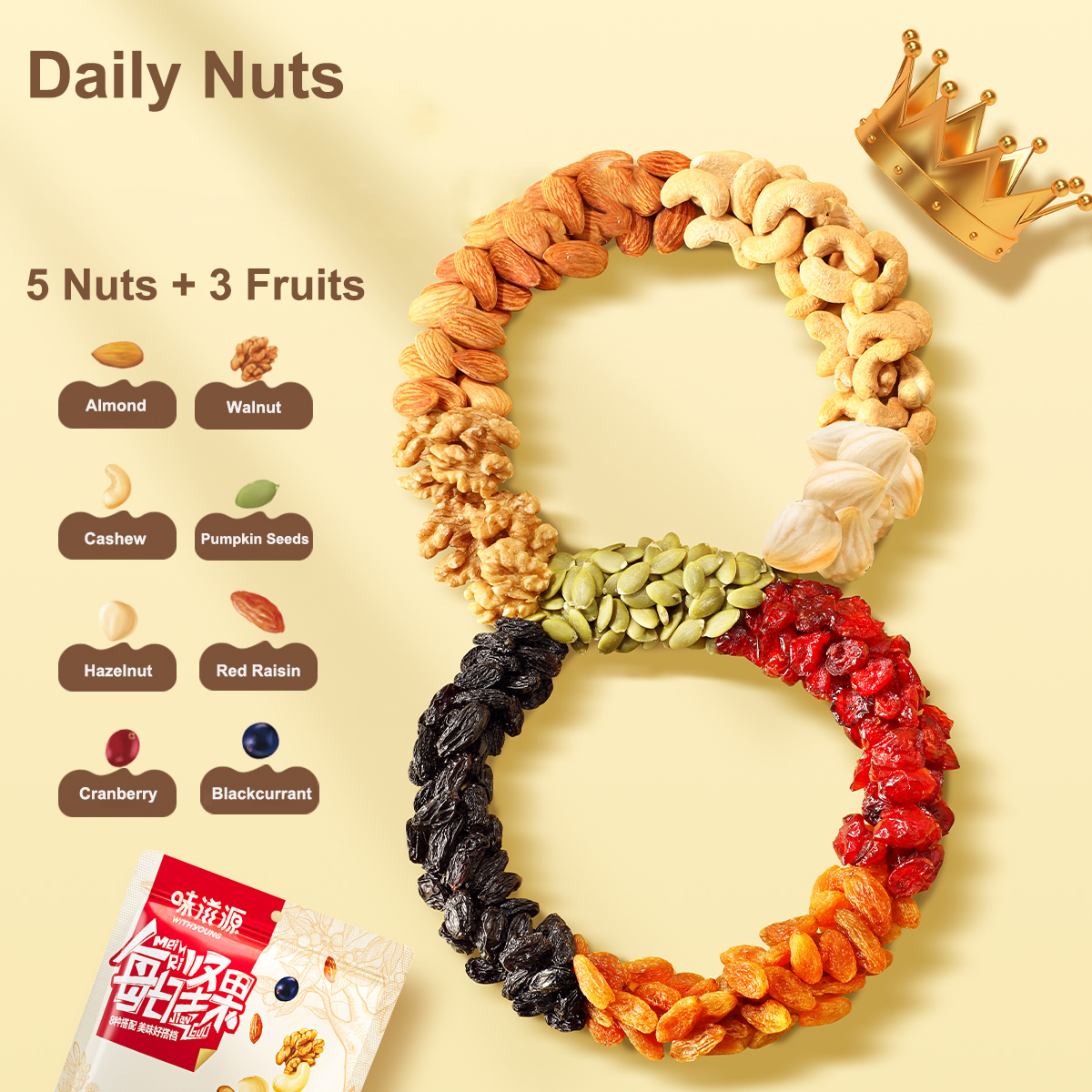
You must evaluate product categories rigorously. Not all commercial options yield the same physiological benefits. Defining strict success criteria prevents you from buying compromised products.
Processing methods dictate the final health value. You should understand the differences to make informed purchases.
Processing Method | Nutrient Preservation | Digestibility | Risk Factor |
|---|---|---|---|
Raw | Maximum preservation of heat-sensitive antioxidants. | Lower. Contains phytic acid requiring potential soaking. | Microbial contamination if improperly handled. |
Dry-Roasted | Slight reduction in delicate vitamins. | High. Heat breaks down enzyme inhibitors. | Lipid oxidation if roasted at overly high temperatures. |
Oil-Roasted | Severely degraded due to high heat and cheap oils. | Moderate, but causes systemic inflammation. | Exposure to oxidized seed oils (soybean/canola). |
Raw options preserve maximum nutrients. However, they require attention to phytic acid. You might need to soak them to improve digestion. Dry-roasted variants enhance flavor and overall digestibility. You must evaluate the brand for optimal roasting temperatures. Low temperatures prevent lipid oxidation. Conversely, oil-roasted versions carry high risks. They expose you to inflammatory, degraded seed oils like soybean or canola oil. We highly recommend avoiding them entirely.
You must evaluate labels meticulously. Many commercial brands hide unhealthy additives inside their packaging. Look closely for hidden sugars and maltodextrin. These negate the glycemic benefits entirely. Excessive sodium also counteracts the cardiovascular improvements. A high-quality product lists only the primary ingredients and perhaps a touch of sea salt.
A diverse blend consistently outperforms single-seed consumption. Eating Mixed nuts hedges your micronutrient profiles. You gather Vitamin E from almonds, Omega-3s from walnuts, and selenium from Brazil nuts simultaneously. This strategy prevents dietary fatigue. You remain engaged with the flavor variety. It ensures you do not develop minor sensitivities from eating the exact same seed every single day.
Transparent assumptions help you navigate adoption risks. Learning rollout lessons ensures your new habit sticks permanently.
We must transparently acknowledge the caloric reality. A standard 100-gram serving contains roughly 600 calories. Success requires a substitution mindset. You must replace existing calories, not add on top of them. Swap out refined carbohydrate snacks for them. This keeps your daily energy balance stable while upgrading your nutrient density.
You must force adherence to prevent overconsumption. Ad-libitum bulk grazing often leads to excess caloric intake.
Bulk Purchasing: Cost-effective but requires high self-discipline. You must weigh them out manually using a kitchen scale.
Pre-Portioned Packets: Highly effective for busy lifestyles. Daily 1 oz (28g) packets eliminate the guesswork. They physically prevent you from mindlessly eating a massive surplus.
Household implementation requires careful consideration. Facility compliance matters immensely. You should choose brands utilizing strict QA/QC testing. Cheaper brands often fail to test for aflatoxins. Aflatoxins are harmful molds that grow on improperly stored crops. Furthermore, rigorous allergen protocols protect family members with severe sensitivities.
Proper storage mitigates the risk of rancidity. Polyunsaturated fats are incredibly fragile. Heat, light, and oxygen destroy them rapidly.
Store bulk purchases immediately in airtight glass containers.
Keep small daily supplies in a dark, cool pantry.
Move long-term reserves into the refrigerator or freezer.
Never leave clear containers exposed to direct sunlight on kitchen counters.
Following these rules protects the delicate oils. It ensures you actually receive the cardiovascular benefits you paid for.
You need a qualified framework to convert knowledge into action. Assess your personal needs to drive immediate dietary changes.
Determine exactly what you are optimizing for. If you want better cardiovascular health, prioritize macadamias and almonds. They offer incredible monounsaturated fat profiles. If cognitive function is your priority, lean heavily into walnuts. If you desire general nutrient density, select a premium mixed variety to cover all bases.
Be honest about your behavioral psychology. If your self-control is historically low, invest in pre-packaged daily rations. The convenience fee is worth the caloric control. If you are highly disciplined, source high-quality bulk bags. You can portion them out into small glass jars every Sunday evening.
Start your transition today. Audit your current pantry snacks immediately. Throw out the refined crackers and oxidized chips. Establish a baseline budget for high-tier sourcing. Initiate a strict 30-day substitution protocol. Commit to swapping your mid-afternoon snack for a one-ounce serving. Monitor your energy levels and satiety throughout the first month.
You must transition from viewing them as a casual indulgence to a high-ROI dietary staple. They are powerful functional foods capable of restructuring your lipid panels and cooling systemic inflammation. The biological mechanisms are clear, proven, and easily accessible. They offer you a compounding health advantage when consumed properly.
Reiterating our quality control standards is essential. Realizing these ten benefits requires stringent purchasing habits. You must prioritize dry-roasted or raw options over heavily processed alternatives. Avoid degraded seed oils and hidden sugars at all costs. The quality of your input dictates the quality of your physiological output.
Your final step is straightforward. Select a compliant, high-quality mixed product today. Implement a controlled daily serving into your afternoon routine. You can begin tracking your physiological improvements, from stabilized energy to sharper cognition, almost immediately. Take control of your preventative health through targeted nutritional upgrades.
A: No, provided they are used as an isocaloric substitute for refined carbohydrates. Their high satiation factor often leads to a natural reduction in subsequent meals.
A: The standard evidence-backed recommendation is approximately 1 ounce (28 grams) or a small handful per day.
A: Raw nuts preserve heat-sensitive antioxidants, but dry-roasting improves digestibility and reduces phytic acid. Both are excellent; only oil-roasted nuts should be actively avoided.
A: Look for a harsh, paint-like, or bitter smell. Rancid oxidized oils negate the cardiovascular benefits and should be discarded immediately.


